

 Get a Quote

 Send Inquiry
Industrial Parallel key
MOQ : 1 Piece
Industrial Parallel key Specification
- Noise Level
- Silent Operation
- Usage & Applications
- Suitable for coupling machine elements, gearboxes, pulleys, shafts etc.
- Drive Type
- Mechanical
- Surface Finish
- Smooth and rust-resistant
- Features
- High precision, corrosion resistant, durable
- Shape
- Rectangular (Parallel)
- Size
- Various sizes available
- Product Type
- Industrial Parallel Key
- Material
- High-Grade Steel
- Technology
- Precision Machined
- Power Source
- Manual
- Surface Treatment
- Polished / Zinc Plated
- Dimension (L*W*H)
- Customizable as per requirement
- Weight
- Varies based on size
- Color
- Silver Grey
- Edge Type
- Chamfered or Squared ends available
- Custom Options
- Available as per drawing or specification
- Packing Type
- Carton Box or as per customer requirement
- Tensile Strength
- Up to 580 MPa
- Temperature Resistance
- Up to 400C
- Machinability
- Excellent
- Hardness
- 35-45 HRC
- Application Industries
- Automotive, Mining, Heavy Engineering, Machine Tools
About Industrial Parallel key
Our Industrial Parallel Keys are engineered to deliver reliable torque transmission and secure component alignment in high-stress mechanical assemblies. Precision-machined to strict tolerance standards, these keys prevent relative rotation between shafts and rotating elements such as gears, pulleys, sprockets, and couplings. Typical Applications Power Transmission: Connecting electric motors, gearboxes, and speed reducers to drive shafts. Industrial Machinery: Used extensively in conveyor systems, textile machinery, agricultural equipment, and printing presses. Heavy Equipment: Essential for pumps, compressors, blowers, and manufacturing machine tools where consistent torque transfer is critical.Precision and Customization
Each Industrial Parallel Key is precision machined, ensuring a perfect fit for critical applications. Custom options are available according to your specific drawings or requirements, delivering tailored solutions for diverse industrial needs. This flexibility enhances compatibility and operational efficiency across automotive, mining, and heavy engineering sectors.
Exceptional Performance in Demanding Conditions
Engineered to withstand high mechanical stresses and extreme temperatures up to 400C, this parallel key maintains consistent performance in intensive jobs. With a hardness rating of 35-45 HRC and tensile strength up to 580 MPa, it is designed for longevity, corrosion resistance, and silent operation in harsh environments.
FAQ's of Industrial Parallel key:
Q: How should an Industrial Parallel Key be installed for optimal performance?
A: To install the key, ensure the keyway in the shaft and hub is clean and properly aligned. Insert the key into the keyway, making sure it sits flush, and select either chamfered or squared ends according to the application. Follow standard mechanical assembly procedures to secure the components.Q: What industries commonly utilize this Industrial Parallel Key?
A: This product is widely used in the automotive, mining, heavy engineering, and machine tool sectors. Its robustness and adaptability make it ideal for coupling mechanical elements such as gearboxes, pulleys, and shafts.Q: When should I consider requesting a custom parallel key according to my drawing?
A: A custom-designed key is recommended when standard dimensions do not fit your application's requirements or when specific attributes like unique size or specialized finishes are essential for your project.Q: Where are these keys manufactured and how are they packaged?
A: The keys are manufactured using precision machining technologies with high-grade steel. Packaging is typically in durable carton boxes, though alternative packing methods are available upon request to suit customer needs.Q: What process ensures the durability and corrosion resistance of the key?
A: Each key undergoes surface treatments such as polishing or zinc plating, resulting in a smooth, rust-resistant finish. Combined with high-grade steel and controlled hardening processes, this boosts both durability and resistance to wear or corrosion.Q: How does using this parallel key benefit my mechanical assembly?
A: The key ensures secure, precise, and silent operation with high machinability and temperature resistance, contributing to reduced maintenance and extended service life in mechanical assemblies.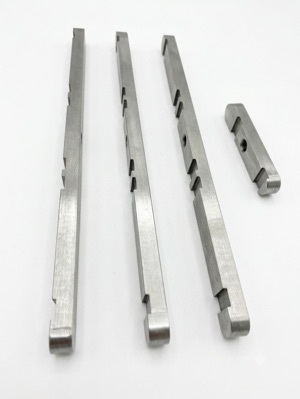
Tell us about your requirement

Price:
Quantity
Select Unit
- 50
- 100
- 200
- 250
- 500
- 1000+
Additional detail
Mobile number
Email

More Products in Machine Key Category
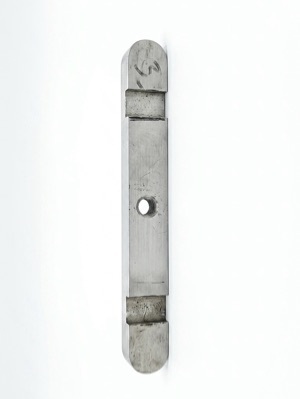
Drilled parallel key
Minimum Order Quantity : 10 Pieces
Usage & Applications : Used for power transmission in gearboxes, pulleys, and machine tools
Power Source : Other, Manual/Mechanical
Technology : Other, Machined / CNC Precision Cut
Product Type : Other, Drilled Parallel Key
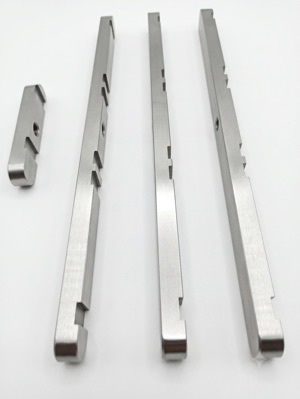
Industrial machinery keys
Minimum Order Quantity : 10 Pieces
Usage & Applications : Fitting and locking shafts or wheels, Industrial machines, Mechanical assemblies, Gear boxes
Power Source : Other, Manual/Mechanical (No power required)
Technology : Other, Precision Machining
Product Type : Other, Industrial Machinery Keys
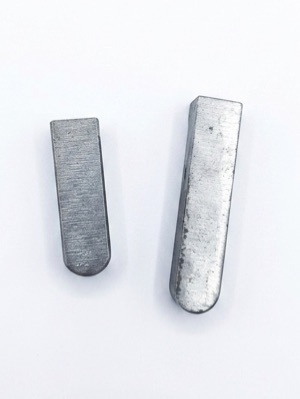
Industrial parallel key
Minimum Order Quantity : 10 Pieces
Usage & Applications : Used in automotive, machine tools, gear fitting, and shaftkeyed connections
Power Source : Other, Manual/Mechanically Driven
Technology : Other, Cold Forged / Machined
Product Type : Other, Industrial Woodruff Key
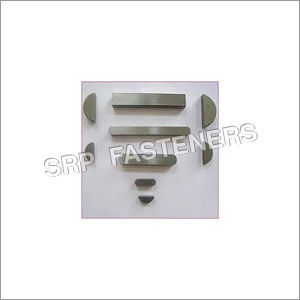
Woodruff Key
Price 3 INR / Piece
Minimum Order Quantity : 1 Piece
Usage & Applications : Industrial
Power Source : Other
Technology : Other
Product Type : Other

Contact us

- 307/9, Gidc, Makarpura, Opp. Lucky Restaurant, New Telephone Exchange,Vadodara - 390010, Gujarat, India
- Phone : 07971459350
S R P FASTENERS
GST : 24ACXPP4893R1Z7

- Mr Atrey Patel (Proprietor)
- Mobile : 07971459350
- Send Inquiry
 Send Inquiry

 Send Inquiry
 Send SMS
 Call Me Free

S.R.P. FASTENERS
All Rights Reserved.(Terms of Use)
Developed and Managed by Infocom Network Private Limited.
