
Call us now :07971459350
 Send Inquiry
 Send Inquiry
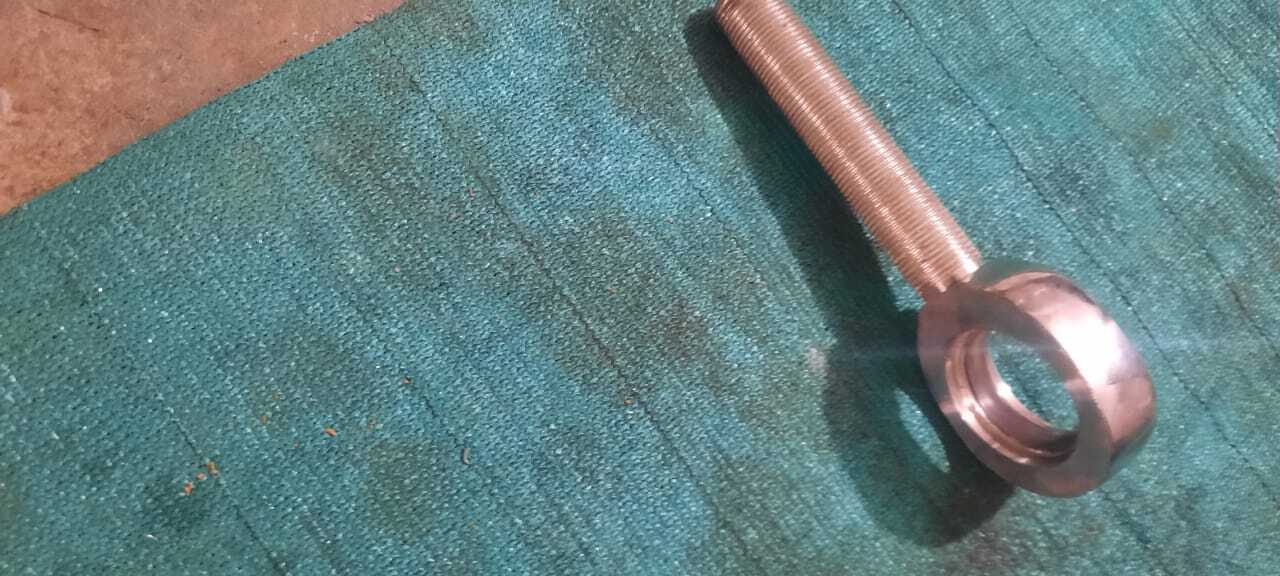
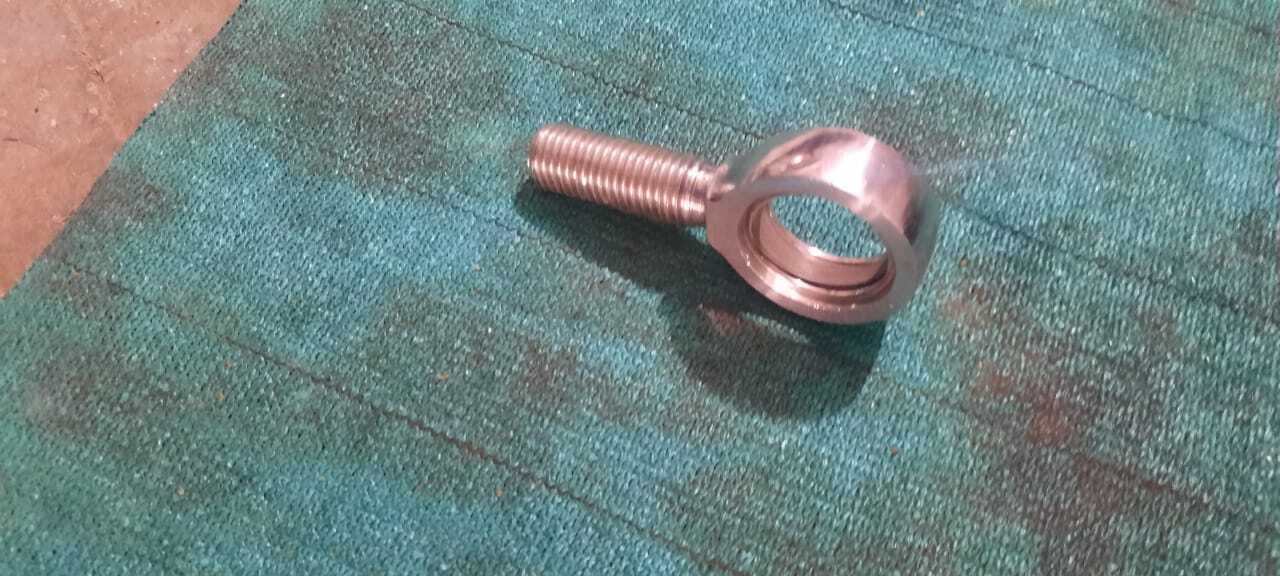
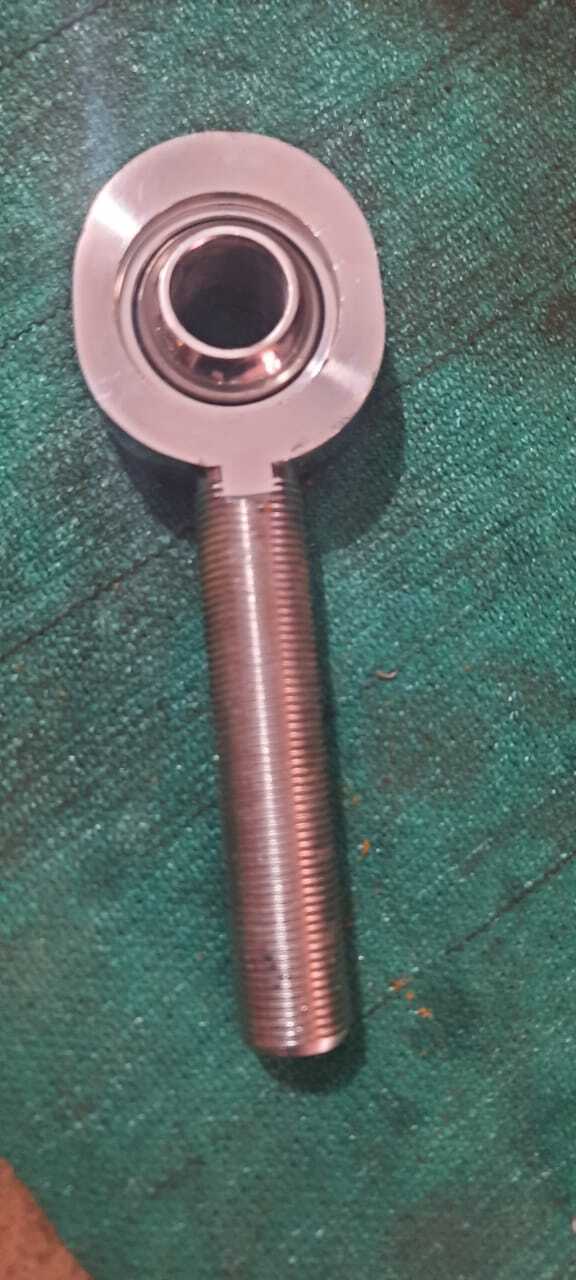
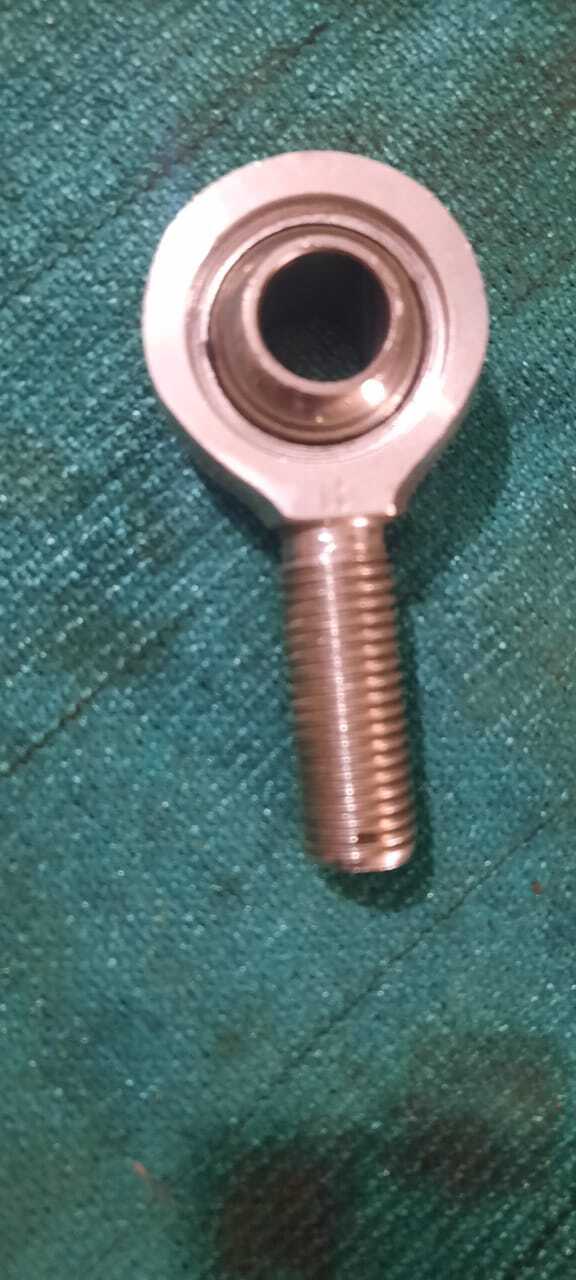
Lifting Eye Bolts
Price 100 INR/ Unit
MOQ : 100 Units
Lifting Eye Bolts Specification
- Diameter
- M6 to M64 or as specified Meter (m)
- Shape
- Eye-shaped head with threaded shank
- Usage & Applications
- Machinery parts
- Size
- Different size
- Surface Finish
- Smooth, Rust Resistant
- Features
- High load-bearing capacity, Corrosion resistant, Precision engineered
- Capacity
- Depends on size, typically 0.1 Ton to 10 Ton Ton
- Product Type
- Machine Parts
- Material
- Forged Steel / Carbon Steel / Stainless Steel
- Technology
- Other
- Power Source
- Other
- Surface Treatment
- Galvanized / Zinc Plated / Self-Colored
- Dimension (L*W*H)
- Varies as per size and specification Millimeter (mm)
- Weight
- Varies by model (from a few grams to several kilograms) Grams (g)
- Color
- Natural color
- Lifting Eye Type
- Shoulder/Eyebolt, Non-shoulder/Eyebolt
- Standards
- DIN 580, DIN 582, ASTM
- Installation Method
- Screw-in (threaded)
- Packaging
- Carton/wooden box/plastic bag as required
- Load Direction
- Axial and at specified angles
- Marking
- Stamped with size and grade on head
- Maintenance
- Periodic inspection recommended
- Thread Type
- Metric/UNC/UNF as per DIN 580, DIN 582
- Application Temperature
- -20C to 200C
- Hardness
- Typically 120-180 HB
Lifting Eye Bolts Trade Information
- Minimum Order Quantity
- 100 Units
- Supply Ability
- 100 Units Per Week
- Delivery Time
- 1 Week
- Sample Policy
- Contact us for information regarding our sample policy
- Main Domestic Market
- All India
About Lifting Eye Bolts
Product Specification
| Bolt Type | 16mm to 25mm |
| Size/Capacity | 16mm*50mm |
| Color | Depends |
| Material | MS, SS, SS 304 and SS316 and Alloy Steel |
| Surface Treatment | Polished |
| Diameter | 16mm |
| Grade | MS, SS, SS 304 and SS316 and Alloy Steel |
| Quantity Per Pack | Min 100 Nos.. |
Versatile Installation and Performance
Designed for easy screw-in installation, lifting eye bolts support axial loads and specified angles, making them suitable for varied environments and load directions. Their robust construction and surface treatments-galvanized, zinc plated, or self-colored-guarantee long-lasting durability, even at temperatures from -20C to 200C. Engineered for precision, they adapt to diverse machinery and structural setups.
Quality Standards and Marking
Each lifting eye bolt adheres to international standards including DIN 580, DIN 582, and ASTM, ensuring consistent quality and performance. Markings stamped on the head indicate size and grade, facilitating quick identification during installation and inspection. Manufactured in India by reputable suppliers, traders, and manufacturers, their rigorous production and testing ensure reliable lifting operations.
Maintenance and Lifespan
Regular inspection is recommended for maintaining safety and performance, whether in demanding industrial conditions or routine applications. The smooth, rust-resistant finish helps extend service life, reducing downtime and replacement costs. Proper use increases operational safety and leverages the full load-bearing potential of each eye bolt.
FAQ's of Lifting Eye Bolts:
Q: How should I install lifting eye bolts to ensure maximum load capacity and safety?
A: Lifting eye bolts must be screwed in fully to a threaded hole using the correct thread type (Metric, UNC, UNF) as specified. Ensure the shoulder is flush with the mating surface for shoulder types and the eye is properly aligned with the load direction. Follow guidelines outlined in standards like DIN 580 or DIN 582, and never exceed rated capacity.Q: What inspection and maintenance steps are recommended for lifting eye bolts?
A: Periodically check lifting eye bolts for signs of wear, corrosion, thread damage, or deformation. Clean regularly and ensure stamped markings are legible for identification. Replace immediately if defects are found. Regular inspection guarantees safety and extends service life.Q: When and where are lifting eye bolts typically used?
A: Lifting eye bolts are commonly employed in machinery, industrial equipment, and structural lifting operations. They are suitable for both indoor and outdoor use, functioning reliably within temperatures from -20C to 200C. Applications include lifting heavy machinery parts, securing loads, and supporting rigging assemblies.Q: What materials and surface finishes are available for lifting eye bolts?
A: These eye bolts are made from forged steel, carbon steel, or stainless steel, selected for strength and durability. Surface treatments include galvanizing, zinc plating, or self-coloring, all of which enhance rust resistance and performance in various environments.Q: How do I choose the correct size and capacity for my application?
A: Select the diameter (ranging from M6 to M64 or as specified) and type based on the weight of your load and application requirements. Refer to manufacturer specifications and standards to ensure the chosen eye bolt's working load limit meets or exceeds your needs. Incorrect sizing may compromise lifting safety.Q: What benefits do stamped markings provide on lifting eye bolts?
A: Stamped markings on the head indicate size and grade, helping users quickly identify specifications during installation, inspection, and maintenance. This reduces risk of installation errors and enhances operational safety by assuring the correct bolt is used for the task.Q: Which packaging options are offered for lifting eye bolts?
A: Lifting eye bolts can be supplied in cartons, wooden boxes, or plastic bags, depending on quantity, size, and handling requirements. These packaging methods help prevent damage during transport and storage, ensuring components arrive in optimal condition.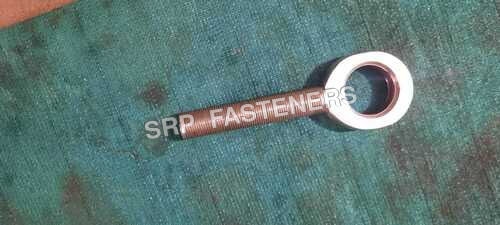
Tell us about your requirement

Price:
Quantity
Select Unit
- 50
- 100
- 200
- 250
- 500
- 1000+
Additional detail
Mobile number
Email


 Send Inquiry
Our Products


307/9, Gidc, Makarpura, Opp. Lucky Restaurant, New Telephone Exchange, Vadodara - 390010, Gujarat, India

Mr Atrey Patel
(Proprietor)
Mobile :07971459350
 Send Inquiry
 Send SMS
Developed and Managed by Infocom Network Private Limited.
